









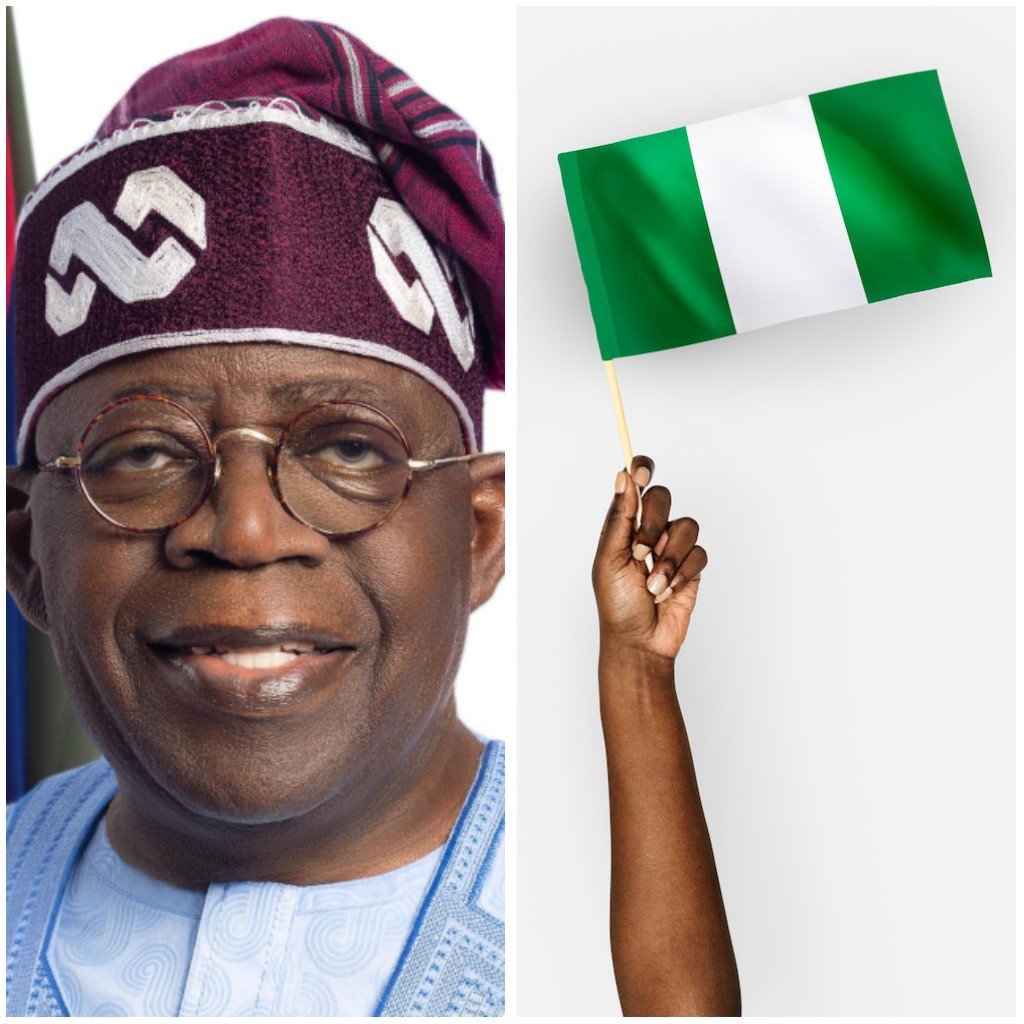

The Shocking Truth About Nigeria’s Leaders Since 1960 – Power, Politics & Legacy
Nigeria, officially known as the Federal Republic of Nigeria, is one of Africa’s most powerful and populous countries, gaining independence from Britain in 1960. With over 200 million people and multiple ethnic groups, including the major tribes—Hausa, Yoruba, and Igbo—Nigeria has experienced both military and democratic leadership. Over the decades, the country’s presidency has shaped its economy, unity, and global reputation, making leadership a critical part of its national story.
Since independence, Nigeria has been governed by a mix of civilian presidents and military heads of state, each leaving behind a unique legacy. Some came through democratic elections, while others took power through military coups. These transitions have influenced Nigeria’s political stability, development, and the everyday lives of its citizens, creating a timeline filled with both progress and controversy.
Below is the complete list of Nigeria’s leaders from independence to the current administration,
1) Abubakar Tafawa Balewa — Bauchi State — Hausa — 1959–1966
2) Johnson Aguiyi-Ironsi — Abia State — Igbo — 1966
3) Yakubu Gowon — Plateau State — Hausa — 1966–1975
4) Murtala Muhammed — Kano State — Hausa — 1975–1976
5) Olusegun Obasanjo — Ogun State — Yoruba — 1976–1979
6) Shehu Shagari — Sokoto State — Hausa — 1979–1983
7) Muhammadu Buhari — Katsina State — Hausa — 1983–1985
8) Ibrahim Babangida — Niger State — Hausa — 1985–1993
9) Ernest Shonekan — Ogun State — Yoruba — 1993
10) Sani Abacha — Kano State — Hausa — 1993–1998
11) Abdulsalami Abubakar — Niger State — Hausa — 1998–1999
12) Olusegun Obasanjo — Ogun State — Yoruba — 1999–2007
13) Umaru Musa Yar’Adua — Katsina State — Hausa — 2007–2010
14) Goodluck Jonathan — Bayelsa State — Igbo — 2010–2015
15) Muhammadu Buhari — Katsina State — Hausa — 2015–2023
16) Bola Ahmed Tinubu — Lagos State — Yoruba — 2023–Present.
Looking at this timeline, one thing is clear—Nigeria’s leadership has been heavily dominated by the Hausa and Yoruba tribes, with fewer representations from the Igbo region. The country has also alternated between military rule and democracy, especially between 1966 and 1999. This history reflects both the struggles and resilience of Nigeria as it continues to grow into a stronger democratic nation.

As Nigeria moves forward under the leadership of Bola Ahmed Tinubu, citizens remain hopeful for better governance, economic stability, and national unity. What do you think about Nigeria’s leadership journey so far? Drop your thoughts, share this post with others, and always visit Dpnaija for the latest news, updates, and trending stories across Africa and beyond.

NOW OVER TO YOU
What Do You Think About This Post?
We Want To Hear From You 🙏
Drop Your Comment Below 👇
-
 Follow us on Facebook
-
 Follow us on Instagram
-
 Follow us on TikTok
-
 Join DJ Prosper Naija WhatsApp Channel
-
 Follow us on Twitter